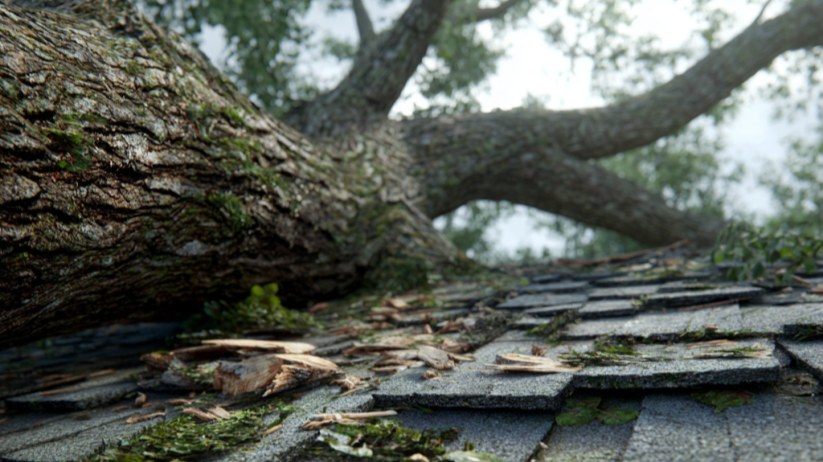
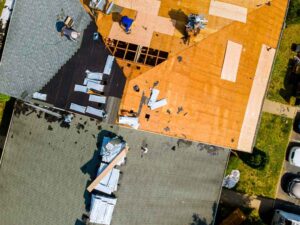
It’s the kind of home emergency no one ever wants to face: you hear the crack of wood in a storm, and the next thing you know, a tree falls on your roof — leaving you worried, overwhelmed, and unsure what to do next.
At Cornett Roofing Systems, we’ve helped countless homeowners handle storm damage from trees, and we know this can be one of the most nerve-wracking situations you’ll experience as a homeowner. But here’s the good news: with the right steps (and the right local roofing partner), you can protect your home and get things back on track efficiently. This post will walk you through exactly what to do when a tree falls on your roof, with clear advice, expert insights, and tips to help you move forward with confidence.
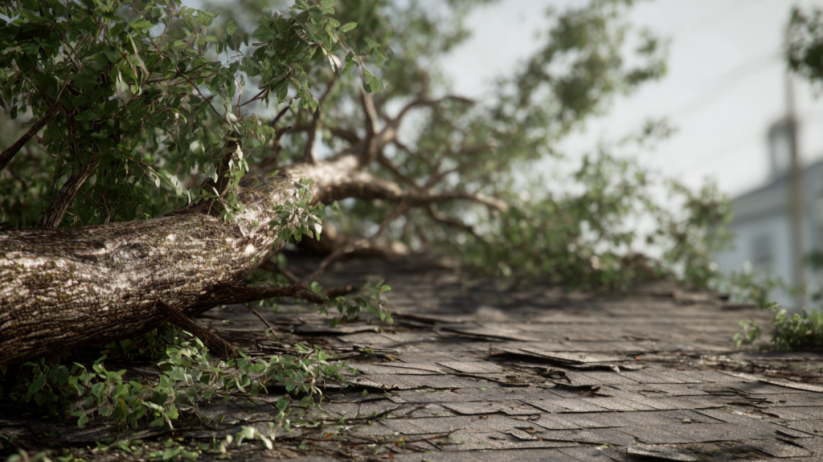
Step 1: Keep Safety Front and Center
Your roof may be damaged, but your safety comes first. If a tree has come down on your house, don’t rush up there or start poking around the damaged areas.
Here’s what we recommend right away:
- Get everyone safely out of the house if there’s any sign of structural damage.
- Stay clear of areas with sagging ceilings, cracked walls, or damaged power lines.
- Call emergency services or your utility company if you suspect a gas leak or downed electrical wires.
Remember, roofs can be repaired or replaced — your family’s safety is irreplaceable.
Step 2: Document the Damage
Before calling for help, take some time (if it’s safe) to photograph the damage. Snap pictures of the fallen tree, the roof from multiple angles, and any interior damage like leaks or ceiling cracks. This will help both your insurance company and your contractor understand the full scope of the problem.
Expert Tip: Don’t attempt to remove the tree yourself. It’s tempting to “just get it off the roof,” but without the right equipment and experience, you could cause further damage — or put yourself in harm’s way.
Step 3: Contact Your Insurance Company
Once you’ve documented the situation, get in touch with your homeowner’s insurance provider. Describe the event, submit your photos, and follow their guidance on filing a claim.
Homeowner Q&A:
Q: Does insurance usually cover storm damage from trees?
A: In most cases, yes — though exact coverage depends on your specific policy. Insurance companies typically cover repairs for the roof, structure, and related damages caused by a fallen tree during a storm.
Step 4: Call a Trusted Local Roofing Expert
This is where Cornett Roofing Systems steps in. When a tree falls on your roof, you need a reliable local team that can act fast, assess the damage, and help you create a smart repair plan.
Here’s what we bring to the table:
- Fast emergency inspections and temporary protection (like tarping) to prevent further damage.
- Honest, expert recommendations on repairs or replacement — no upselling, no shortcuts.
- Detailed documentation and repair estimates to assist with your insurance claim.
- High-quality materials and craftsmanship designed to stand up to Indiana’s toughest weather.
With decades of experience serving local homeowners, we know how to handle storm-related roof damage efficiently and with care.
Step 5: Secure the Site and Prevent Further Damage
Once the tree is safely removed, your roofing contractor will install temporary coverings over any exposed areas. This is a critical step — even a small puncture can lead to major water damage if it rains again before repairs are complete.
Cornett Roofing Systems provides prompt emergency services, making sure your home is protected while we develop a long-term repair plan.
Step 6: Plan Your Repairs or Replacement
Depending on the extent of the damage, you might need anything from minor repairs to a full roof replacement. Our team will walk you through your options, explain material choices, and provide transparent pricing and timelines.
We believe in making sure homeowners fully understand their choices — and we’re here to answer every question along the way.
How to Reduce the Risk of Storm Damage From Trees
Maintain Your Trees Regularly
- Trim back overhanging branches.
- Remove dead or diseased trees.
- Consult with a certified arborist if you have large, leaning, or unstable trees near your home.
Keep Your Roof Storm-Ready
- Schedule annual roof inspections to catch small issues before a storm makes them worse.
- Upgrade to impact-resistant materials if you live in a high-risk area.
- Make sure your gutters and drainage systems are clear and functioning properly.