When Winter Roofing Makes Sense — Even in December
It’s early December in Indianapolis. The air is crisp, the trees are bare, and many homeowners are checking gutters and storm windows. If your roof has been showing wear — maybe a few missing shingles, a small leak, or worn flashing — you’re likely asking: “Can you replace a roof in winter? Is this the best time to replace roof in Indianapolis?”
It’s a fair question. Winter adds challenges: cold, ice, unpredictable weather. But with the right crew and proper materials, winter roof repair or replacement can actually be a sound decision. Sometimes waiting until spring means letting water intrusion or further damage take hold.
In this post, we’ll help you decide whether December is the right time to act. You’ll learn:
- What makes winter roofing viable — and when it becomes risky
- What to check before scheduling work in cold weather
- How different roofing materials perform in winter conditions
- The real-world tradeoffs: cost, timeline, durability
- How to decide based on your roof’s age and condition
If you’re weighing whether to act now or wait, Cornett Roofing Systems can help you make the best call.
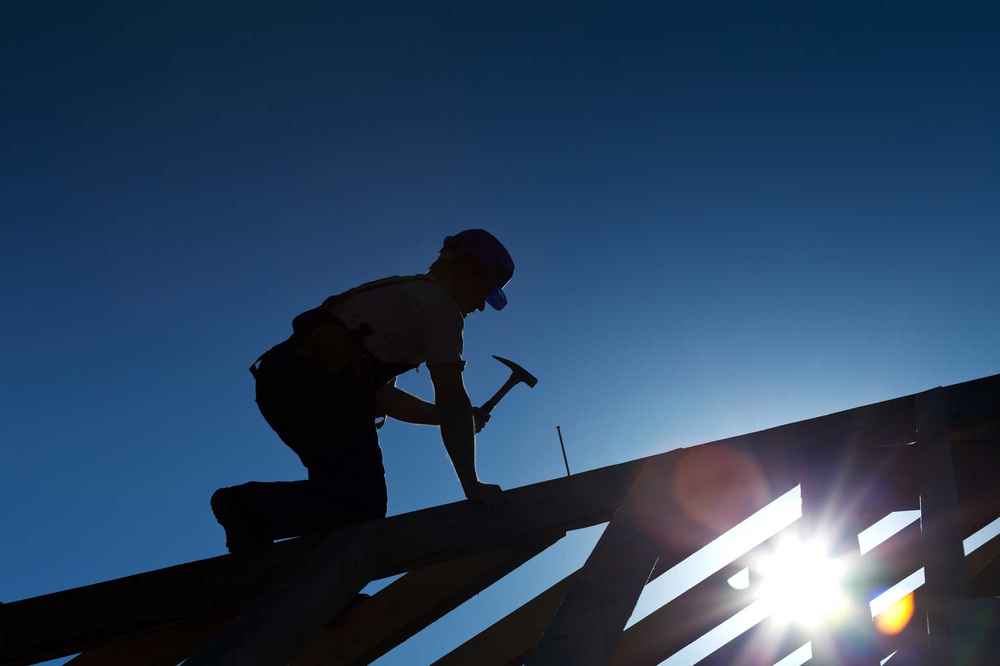
Why Winter Roofing Matters in Indianapolis — And What to Watch For
Understanding Winter Roof Work
Replacing a roof in winter means removing the existing system — shingles or panels, underlayment, flashing — then installing a complete new roof. It’s more than patching a leak; it’s a full replacement that resets your roof’s lifespan.
For homeowners asking “when should you replace a roof?”, winter shouldn’t rule it out — but it does change what you need to consider.
Indianapolis Weather Puts Extra Stress on Roofs
In our area, roofs endure:
- Hail, wind, and spring storms
- Freeze–thaw cycles between late fall and early spring
- Snow, ice dams, and heavy rainfall
- Heat swings and UV exposure in summer
A roof nearing the end of its lifespan or already patched several times can fail under these stresses. For those roofs, a winter replacement may protect your home before damage worsens.
What to Check Before Scheduling Winter Roof Work
Before you call a roofer, evaluate everything carefully — especially with cold weather in the mix.
| What to Check | Why It Matters |
| Roof age and repair history | Older roofs or roofs with multiple patches likely have hidden wear. |
| Type of roofing material | Some materials handle cold and ice better (metal, slate, tile) than standard shingles. |
| Underlayment, deck condition, attic ventilation | These affect long-term performance, especially in freeze–thaw conditions. |
| Budget and financing | Winter may offer off‑season pricing, but preparation and materials still cost more than a simple patch. |
| Weather forecasts and scheduling flexibility | Snow, ice, or freezing rain can delay work — plan for potential delays. |
| Safety and accessibility | Snow or ice on the ground or roof means extra care, proper equipment, and possibly longer timelines. |
If things check out, winter roofing can be done safely — and often at a good value.
When Winter Roof Replacement Is Smart — And When It’s Better to Wait
When December Roof Work Makes Sense
- Your roof is older (15–20 years or more) and showing signs of wear
- You’ve had leaks or multiple repairs recently
- You want durable materials — like metal, slate, or tile — that perform well in cold weather
- You prefer to avoid water damage, leaks, or structural issues before spring arrives
With quality materials and careful installation, a winter roof replacement can help you avoid repeated patches or emergency repairs later.
When It’s Better to Wait Until Warmer Weather
- Roof damage is minor — a few damaged shingles or superficial wear
- Your roof is otherwise in good condition and under 10 years old
- Materials are sensitive to low temperatures (some shingles won’t seal properly in cold)
- You’re on a tight budget and not ready for full replacement
In those situations, a repair or patch might be enough — at least until weather warms up and you can reevaluate.
Material Choices and Long-Term Value: Why Permanent Roofing Beats Short-Term Patches
How Materials Hold Up in Midwest Winters
- Metal Roofing: Sheds snow, resists ice dams, and handles freeze–thaw well. Lifespan: 50–70 years.
- Synthetic Slate or Tile: Highly durable, water-resistant, withstands temperature swings. Lifespan: 75–100+ years with proper structure.
- Architectural Shingles: Affordable but vulnerable to weather stress. Lifespan: 25–30 years depending on exposure.
For long-term protection and lower maintenance, metal and slate roofs outperform shingles — especially in winter.
Why a Full Roof Replacement Often Pays Off Over Time
- You avoid recurring leaks and patches, which can add up over years
- New roofs improve insulation and home energy efficiency
- Durable materials increase home resale value and reduce maintenance needs
- New warranties offer long-term coverage and peace of mind
A well-installed roof using premium materials can outlast many standard roofs — and offer stable protection through decades of Indiana weather.
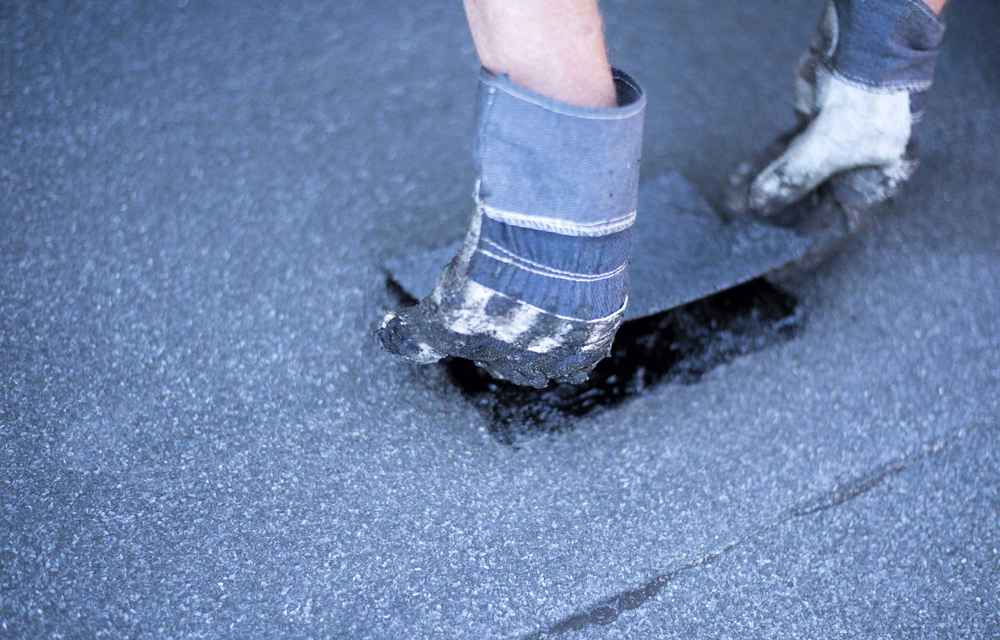
Winter Roofing FAQs for Indianapolis Homeowners
If you’re trying to decide whether to schedule roofing work in December, you’re not alone. Here are some of the most common winter roofing questions we hear from homeowners in Indianapolis—answered with straightforward advice.